Cut freight exception resolution time — without adding headcount.
Triage exceptions, reconcile documents, draft customer updates, and route approvals — so your team stays in control while the work stops piling up.
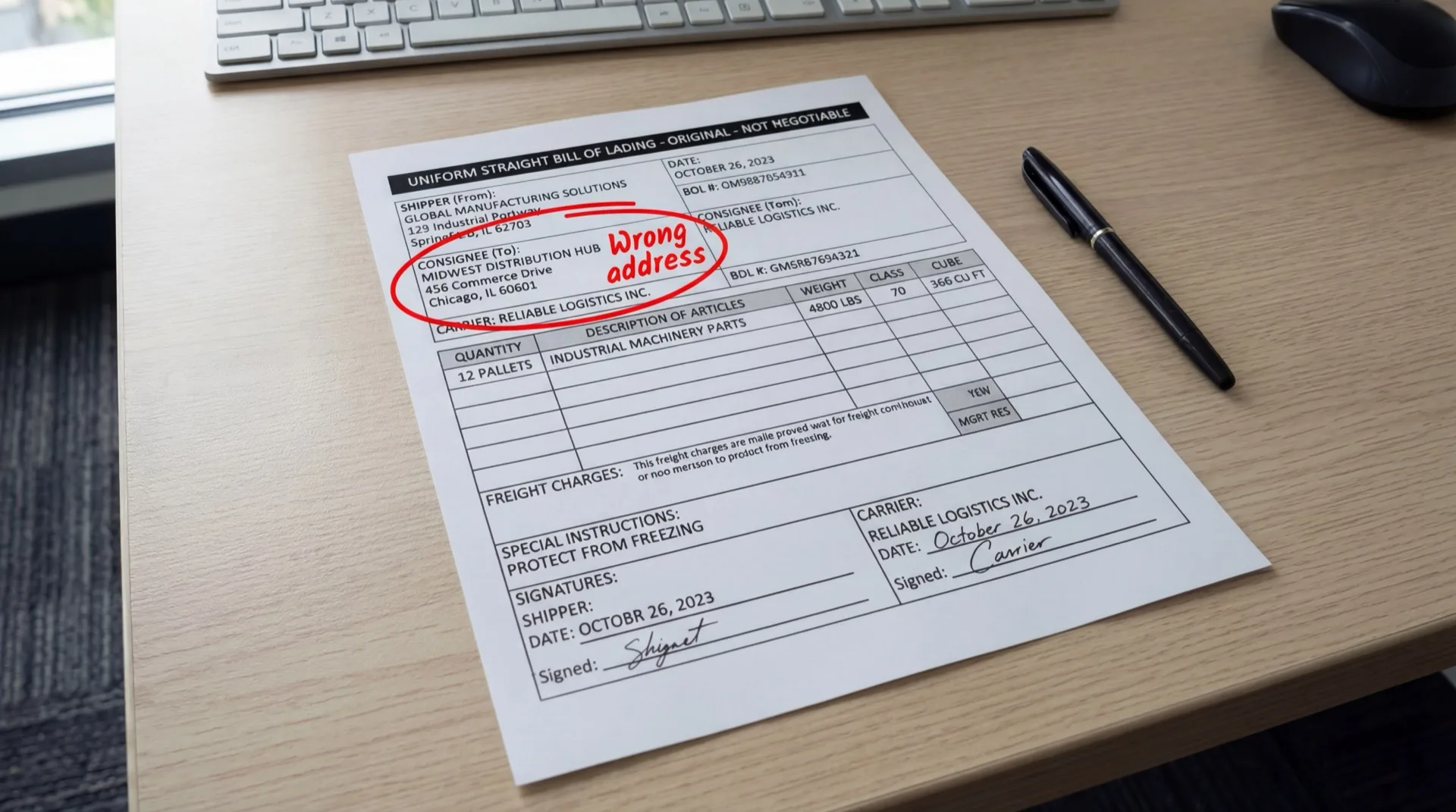
Exception handling is eating your margins
Every unresolved exception costs time, money, and customer trust. Your team is buried in detention claims, appointment reschedules, and 'where's my freight?' emails — all handled manually, one at a time.
What changes when exception handling is automated
Fewer touches per exception
Exceptions triaged and routed automatically. Fewer Slack threads, fewer email chains, faster closure.
Faster, more consistent customer updates
Pre-drafted updates sent on your approval. No more 'where's my freight?' calls because your customers already know.
Cleaner billing packets
POD, BOL, and rate confirmations reconciled into complete packets. Fewer invoice disputes, faster collections.
Accessorial capture discipline
Detention, layover, and TONU claims drafted with documentation attached. Reduced leakage from missed accessorials.
Three steps to controlled automation
Stop losing margin to manual exception handling
Get the playbook or book a 30-minute audit to see what automation looks like for your operation.
Built for operations leaders who can't afford mistakes
What the output looks like
Exception Summary (Sample)
Exception Type: Detention — Carrier held 4.5 hrs at delivery Documents Found: BOL #4892, Rate Con, POD (signed), Detention invoice Recommended Action: File accessorial claim — $375 per rate con terms Status: Draft ready — Awaiting ops lead approval
Approval → Send Workflow (Sample)
1. Exception Detected: TMS flag — appointment missed, carrier waiting 2. Draft Created: Customer update email + internal escalation note 3. Routed for Approval: Ops lead reviews draft + source docs 4. Approved & Sent: Customer notified, carrier updated, claim queued
Common Questions
What do humans approve vs. what's automated?
What systems does this need to touch first?
How do you prevent an agent from sending the wrong thing?
What's the typical pilot scope?
How is data handled?
Fewer than half of detention invoices get paid — even though most fleets bill them. The brokerages that capture these accessorials systematically are the ones protecting margin.